
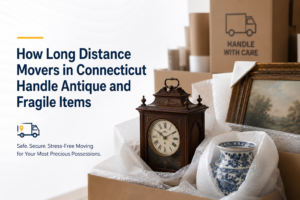
Moving across state lines can already feel overwhelming, but when your home includes antiques, collectibles, heirlooms, or delicate valuables, the process becomes even more stressful. Whether it’s a century-old grandfather clock, fine china passed down through generations, or expensive artwork, fragile belongings require far more than standard packing methods. That’s why many homeowners trust professional long distance movers Connecticut residents rely on for specialized handling and protection.
Experienced moving companies understand that antique and fragile items are not just expensive—they often carry emotional and historical value. From custom crating to climate-conscious transportation, professional movers use advanced strategies to ensure every item arrives safely at its destination.
In this guide, we’ll explain how professional movers in Connecticut handle fragile and antique belongings during long-distance relocations and what homeowners should expect throughout the process.
Why Antique and Fragile Items Require Special Moving Services
Unlike standard furniture or household boxes, antiques and delicate possessions are highly vulnerable to damage during transportation. Vibrations from long-distance travel, temperature fluctuations, improper packing, and rough handling can all lead to cracks, scratches, or permanent loss.
Common fragile items include:
- Antique furniture
- Crystal and glassware
- Fine china
- Paintings and framed artwork
- Mirrors
- Sculptures
- Musical instruments
- Chandeliers
- Vintage collectibles
- Electronics with delicate components
Many antiques are irreplaceable, making proper handling essential during any interstate move.
Professional Assessment Before the Move
One of the first steps professional movers take is conducting a detailed assessment of your fragile belongings. Reputable movers create a customized moving plan based on the size, value, and sensitivity of each item.
During the assessment, movers may evaluate:
- Item dimensions and weight
- Material composition
- Existing condition
- Structural weaknesses
- Packing requirements
- Transportation risks
This planning stage helps movers determine whether custom crating, additional padding, or climate-controlled transport will be necessary.
Specialized Packing Materials for Maximum Protection
Professional moving companies never use a one-size-fits-all packing method for antiques. Instead, they use industry-grade materials specifically designed to absorb impact and prevent movement during transit.
Common Packing Supplies Used for Fragile Items
Custom Wooden Crates
High-value antiques and artwork are often secured in custom-built wooden crates. These crates provide superior protection against impact and shifting.
Bubble Wrap and Foam Padding
Movers use multiple layers of cushioning to protect surfaces from scratches and vibration damage.
Packing Paper
Acid-free packing paper helps preserve delicate finishes and prevents discoloration on antique surfaces.
Furniture Blankets
Heavy-duty moving blankets provide additional shock absorption for large antique furniture pieces.
Corner Protectors
Frames, mirrors, and glass surfaces receive reinforced corner protection to reduce breakage risks.
Using proper materials is one of the key reasons professional movers can safely transport delicate possessions over long distances.
Custom Crating for Valuable Antiques
Custom crating is one of the most important services offered by experienced long-distance moving companies. Fragile items with unusual shapes or high financial value often cannot be safely transported in standard boxes.
Items Commonly Placed in Custom Crates
- Antique mirrors
- Marble tabletops
- Oil paintings
- Sculptures
- Glass display cabinets
- Grandfather clocks
Custom crates are measured precisely to fit each item, reducing movement during transportation. Many crates also include interior foam inserts for added security.
Proper Disassembly Techniques
Large antiques and delicate furniture often require partial disassembly before transportation. Professional movers carefully dismantle removable components to minimize stress on fragile structures.
For example:
- Table legs may be removed
- Glass shelves may be separated
- Chandeliers may be disassembled
- Antique bed frames may be broken down
Each component is labeled and packed separately to ensure safe reassembly after delivery.
Climate-Controlled Transportation for Sensitive Items
Some antiques and collectibles are highly sensitive to temperature and humidity changes. Wood furniture can warp, artwork may crack, and delicate fabrics can deteriorate under extreme conditions.
Professional moving companies often use climate-controlled trucks for long-distance moves involving valuable antiques.
Benefits of Climate-Controlled Moving Trucks
- Stable temperature throughout transit
- Reduced humidity exposure
- Protection from extreme weather
- Lower risk of wood expansion or contraction
- Better preservation of delicate finishes
This added protection is especially important during cross-country relocations where weather conditions may vary significantly.
Safe Loading Techniques Reduce Damage Risks
Improper loading is one of the biggest causes of moving damage. Experienced movers understand how to position fragile items securely inside moving trucks to prevent shifting during transport.
How Movers Secure Delicate Belongings
- Heavy items are placed at the bottom
- Fragile boxes remain upright
- Furniture is secured with straps
- Empty spaces are filled to reduce movement
- Glass items are isolated from heavier objects
Professional loading techniques significantly reduce the chance of impact damage during long-distance transportation.
Handling Antique Furniture with Care
Antique furniture often requires extra attention because older materials can become fragile over time. Loose joints, aged wood, and delicate finishes need specialized handling techniques.
Steps Movers Take to Protect Antique Furniture
Protective Wrapping
Movers wrap furniture with padded blankets and stretch wrap to prevent scratches and dents.
Surface Protection
Delicate wood finishes are protected using non-abrasive materials.
Careful Lifting Methods
Movers avoid placing pressure on weak points like decorative carvings or thin legs.
Secure Placement
Furniture is strategically positioned inside the truck to minimize vibration exposure.
These precautions help preserve the condition and value of antique pieces throughout the move.
Special Care for Artwork and Mirrors
Artwork and mirrors are among the most delicate items during any move. Even minor impacts can result in shattered glass or damaged frames.
Professional movers use specialized mirror boxes and artwork containers designed to absorb shock and prevent pressure damage.
Artwork Protection Methods
- Glass surfaces taped for safety
- Corner guards installed
- Foam-lined boxes used
- Paintings wrapped in acid-free paper
- Vertical positioning during transport
High-value artwork may also receive custom crating for additional security.
Inventory Tracking for Valuable Belongings
Professional moving companies often create detailed inventories for antique and fragile items. This documentation helps track belongings throughout the moving process and provides accountability.
Inventory lists may include:
- Item descriptions
- Photos
- Condition reports
- Labeling systems
- Box numbers
This organized system helps reduce confusion and ensures careful handling from pickup to delivery.
Insurance Protection for Antique Items
Even with expert handling, accidents can occasionally happen during long-distance moves. That’s why many movers offer valuation coverage or specialized moving insurance for valuable belongings.
Common Types of Moving Coverage
Basic Liability Coverage
Provides minimal reimbursement based on item weight.
Full Value Protection
Offers repair, replacement, or reimbursement for damaged items.
Third-Party Insurance
Additional coverage options for high-value antiques and collectibles.
Homeowners should always review insurance options carefully before moving expensive or irreplaceable possessions.
Why DIY Moving Is Risky for Fragile Items
While a DIY move may seem cost-effective, transporting antiques without professional experience can lead to serious damage. Fragile items require specialized packing knowledge, equipment, and transportation methods that most homeowners simply do not have.
Common DIY Moving Mistakes
- Using incorrect packing materials
- Overpacking boxes
- Improper lifting techniques
- Insufficient cushioning
- Poor truck loading practices
Professional movers help eliminate these risks while providing peace of mind during the relocation process.
Questions to Ask Before Hiring Long-Distance Movers
Not every moving company has experience handling antiques and fragile belongings. Before hiring movers, homeowners should ask detailed questions about their process and qualifications.
Important Questions Include
- Do you specialize in antique moving?
- What packing materials do you use?
- Do you offer custom crating?
- Is climate-controlled transportation available?
- What insurance coverage options are offered?
- Are employees trained in handling delicate items?
- Can you provide references for similar moves?
Asking the right questions helps ensure your belongings are placed in capable hands.
How Preparation Helps Protect Fragile Belongings
Homeowners can also take steps to help protect antiques before moving day arrives.
Helpful Preparation Tips
Document Valuable Items
Take photos of antiques and collectibles before packing.
Remove Loose Components
Detach removable shelves, drawers, or fragile decorations when possible.
Communicate Concerns
Inform movers about especially valuable or delicate pieces in advance.
Keep Important Documents Nearby
Store appraisals, receipts, and insurance paperwork in a secure personal folder.
Preparation combined with professional moving services creates the safest possible relocation experience.
Long-Distance Moving Challenges in Connecticut
Connecticut homeowners often face unique moving challenges due to older homes, narrow staircases, historic properties, and unpredictable seasonal weather. Antique furniture can be particularly difficult to maneuver through tight hallways or multi-story homes.
Experienced movers understand these regional challenges and use specialized equipment such as:
- Furniture dollies
- Hoisting straps
- Protective floor coverings
- Stair protection systems
This expertise helps reduce risks during both loading and unloading.
The Importance of Experienced Moving Teams
Handling antiques requires more than physical strength. Professional movers need patience, precision, and training to transport delicate belongings safely across long distances.
Experienced moving crews understand:
- Weight distribution
- Fragile material handling
- Packing science
- Transportation stabilization
- Safe lifting techniques
Choosing an experienced team can make a major difference in the outcome of your move.
How Technology Improves Modern Moving Services
Today’s moving companies often use advanced technology to improve the safety and efficiency of long-distance relocations.
Modern Moving Technology Includes
- GPS shipment tracking
- Digital inventory systems
- Electronic condition reports
- Air-ride suspension trucks
- Climate monitoring systems
These innovations provide better protection and communication throughout the moving process.
Choosing the Right Long-Distance Moving Partner
Selecting the right moving company is one of the most important decisions when relocating valuable possessions. Homeowners should look for movers with strong customer reviews, transparent pricing, and proven experience handling antiques.
A trusted company like liftshiftglobal understands the importance of careful planning, professional packing, and secure transportation for fragile belongings during interstate moves.
When researching moving companies, prioritize:
- Licensing and insurance
- Experience with antiques
- Professional certifications
- Positive customer feedback
- Transparent estimates
Reliable movers will gladly explain their process and answer questions about protecting your valuables.
Final Thoughts
Moving antique and fragile items across long distances requires expertise, precision, and proper equipment. From custom crating and climate-controlled trucks to specialized packing materials and careful loading techniques, professional movers take extensive measures to safeguard valuable belongings throughout the relocation process.
Hiring experienced long distance movers Connecticut homeowners trust can help reduce stress and protect irreplaceable items during your move. Whether you’re relocating a few cherished heirlooms or an entire collection of antiques, professional handling ensures your possessions arrive safely and securely.
With the right preparation and an experienced moving team, even the most delicate belongings can be transported confidently across state lines.